A museum or a neighbourhood
Since 2008 the old town has been a World Heritage Site, and its buildings are better cared for than they have been in generations. The question is who will still live in them.
2 min read
In July 2008 UNESCO added Melaka and George Town, in Penang, to the World Heritage List together, as the Historic Cities of the Straits of Malacca. The listing praised them as living testimony to the multicultural heritage of Asia: places where trade had brought Malay, Chinese, Indian and European cultures together and left them all standing in the same few streets.
The important word is living. A World Heritage city is not supposed to be a stage set. Its value lies in the fact that people still pray in the old temples, still run businesses from the old shophouses, and still hand both down to their children. That is exactly the part of heritage that is hardest to protect.
What the listing changed
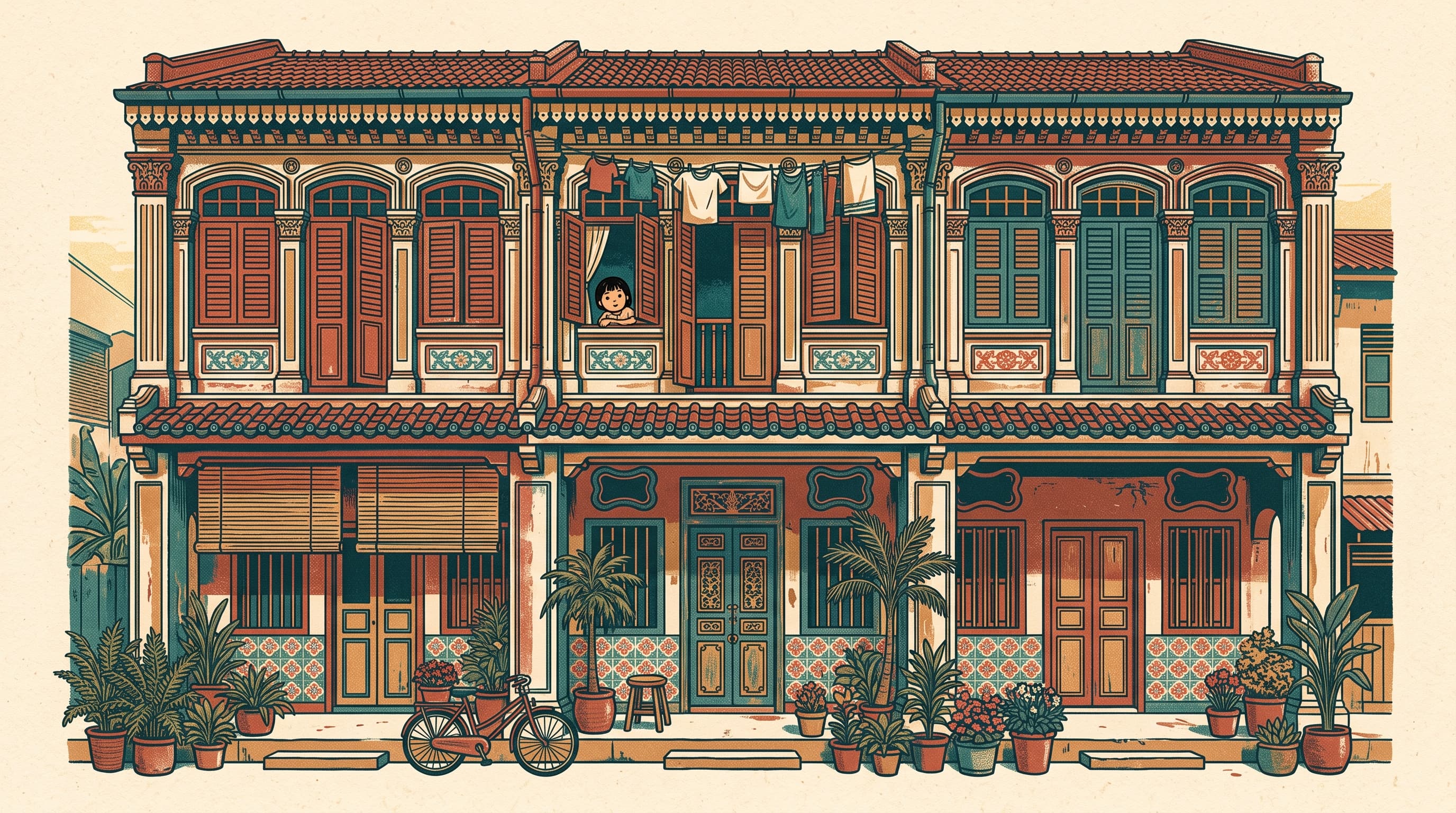
The good news first. The old town is in better shape than it has been for generations. Shophouses that were crumbling twenty years ago have been restored, some of them beautifully, with their airwells, timber screens and decorated tiles brought back to life. Heeren Street, the old millionaires’ row of the Peranakan merchant families, has rarely looked better.
But restoration costs money, and the quickest way to earn it back is to turn a house into a boutique hotel, a guesthouse or a café. Rents and property values rise. Older residents sell up, or move to newer suburbs where the houses have parking and space for their grandchildren. The trades that gave the streets their names, the goldsmiths of Jalan Tukang Emas and the blacksmiths of Jalan Tukang Besi, struggle to pay the rent. Walk through parts of the old town on a weekday afternoon and you can find whole terraces where every ground floor is selling something to visitors and no one seems to live upstairs.
Three futures
It is not hard to imagine where this could lead. In one future the old town becomes a beautifully kept open-air museum: every building restored, every street swept, and almost nobody at home after the last tour bus leaves. In another, protection weakens under the pressure of development, and the city keeps its famous postcard views while the ordinary streets around them are replaced, one plot at a time.
The third future is harder and better: a heritage zone that people can still afford to live in. That means support for long-term residents and traditional businesses, grants that ask who will occupy a building and not only how it will look, and treating schools, wet markets, clinics and bus routes as part of the heritage, because they are what make a place liveable. None of these ideas is new. None of them is as photogenic as a freshly painted facade.
The test of Melaka’s heritage in twenty years’ time will not be whether the Stadthuys is still red. It will be whether a child can still grow up above a shop on Jonker Street, and whether that child will want to stay.
Filed under the future tense