The river that came back
For decades the Melaka River was something the city turned its back on. Now it is where everyone goes in the evening.
2 min read
The Melaka River is the reason the city exists. The sultans’ port grew up at its mouth, the bridge across it was the key to the Portuguese conquest in 1511, and for centuries the warehouses along its banks handled goods from half of Asia. Then the trade moved on, first to Singapore and later to the big container ports, the river silted up, and the city slowly turned its back on it. By the late twentieth century it was better known for its smell than its history.
What changed it was a long and unglamorous clean-up that began in the early 2000s. Drains and sewage were diverted, the banks were rebuilt, and paved walkways were laid along both sides through the old town. Bridges were repaired, lights went in, and the backs of the riverside buildings, which had for a century been the side nobody looked at, were repainted and opened up with cafés, guesthouses and terraces facing the water.
On the water
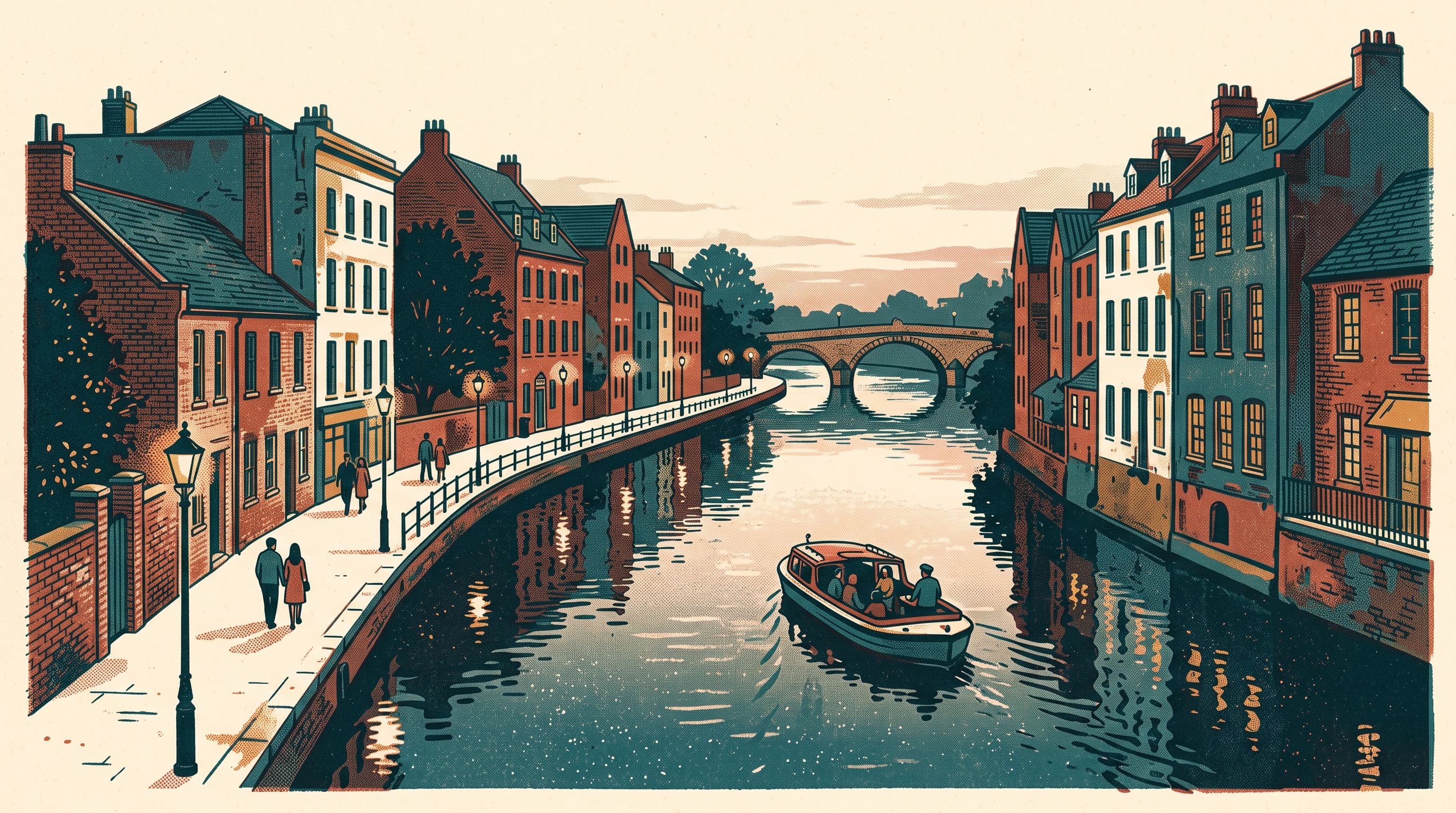
The easiest way to see the result is from one of the river cruise boats. The trip takes around three quarters of an hour and loops upstream from near the river mouth, passing under one bridge after another, past murals, old warehouses and the occasional monitor lizard sunning itself on the bank. At night the bridges are lit in changing colours, which is either magical or a bit much, depending on your mood.
Upstream, the river passes Kampung Morten, a Malay village of wooden houses on stilts that has somehow survived in the middle of the city. It is named after a British official from the 1920s, and its best-known house, Villa Sentosa, has been opened to visitors by the family who still live in it. Seen from the water, with its steep roofs and flowering gardens, the village is a reminder that Melaka was a Malay town long before it was anybody’s colony.
On foot
Better still is to walk. Start near the Stadthuys in the late afternoon, cross the bridge and follow the path upstream along one bank, then come back down the other as the lights come on. You will pass couples on dates, teenagers photographing each other in front of the murals, tired tourists and residents walking off their dinner. It takes an hour if you stop for a drink, and you should.
The river is not wild, and it is not clean enough to swim in. It is a designed place, and some of the design is louder than it needs to be. But a city that had forgotten its river has remembered it, and on any evening you can see what that has given back: a public space that belongs to everyone, free of charge, at the heart of the old town.
Filed under the present tense